Hydroponics / Growing a Garden Grades 2–6 · 6 Weeks · Online
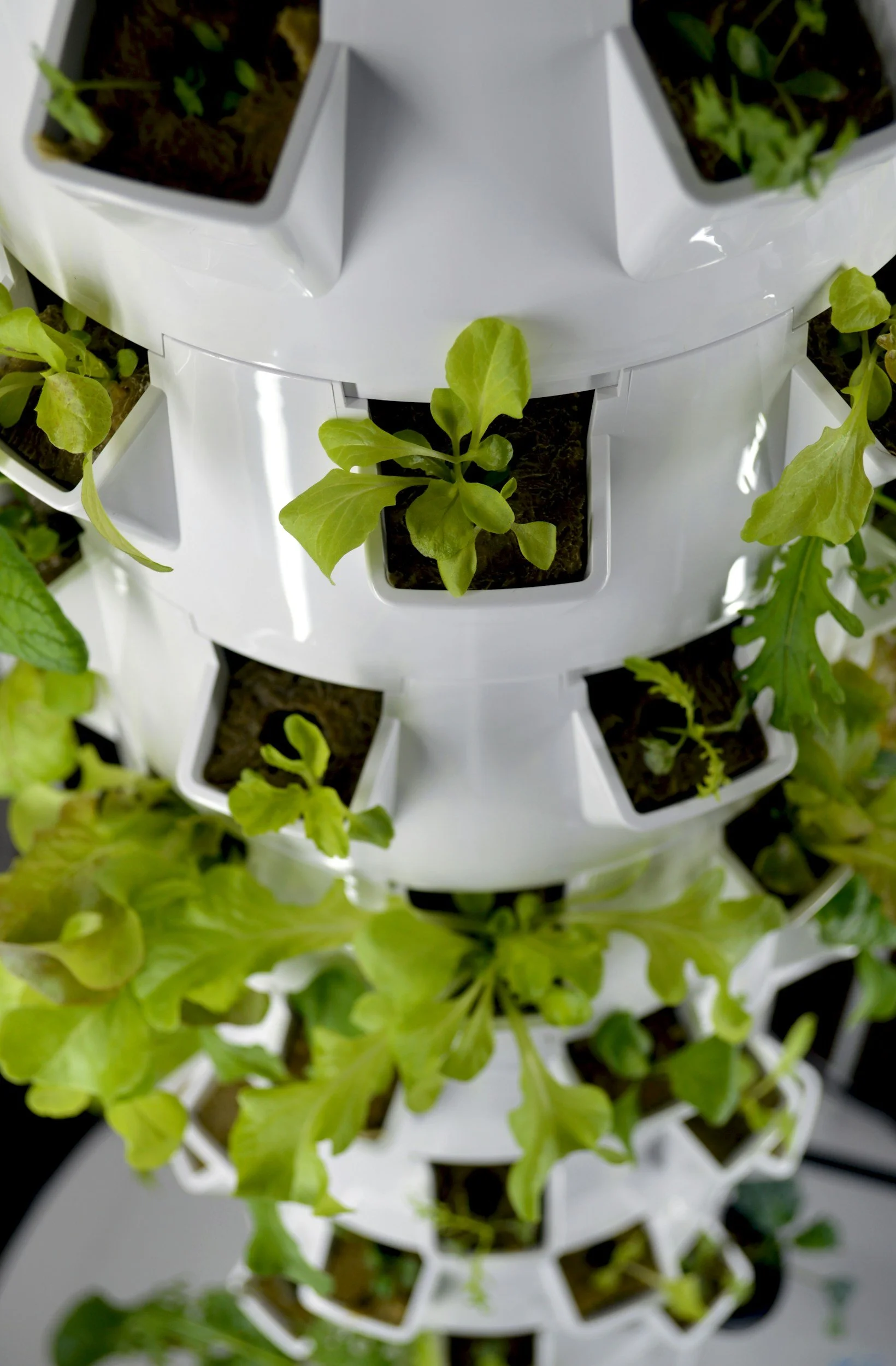
Students build real hydroponic systems at home and grow live plants from seed — no soil needed! They explore plant biology, water science, nutrients, and sustainability through weekly hands-on experiments.
Soil vs. water growing → grow a lettuce heart
Parts of a plant → build a plant model
How water moves → flower capillary action experiment
Types of hydroponic systems → build a Wick system
Hydroponic systems cont. → build a Deep Water Culture system
Hydroponic systems cont. → build an NFT system
Plant nutrients → nutrient experiment with seedlings
Growth tracking → measure, photograph & record data
Troubleshooting plants → diagnose and fix real plant problems
Photosynthesis → measure photosynthesis experiment
Soil vs. hydroponic comparison → taste test & data recording
pH science → pH indicator experiment
Redesign your system → plan a custom hydroponic build
Research a food crop → start building capstone project
Final showcase → present live plant + Garden Design Poster
Hydroponics

Kitchen Chemistry
Kitchen Chemistry Grades 2–6 · 6 Weeks · Online
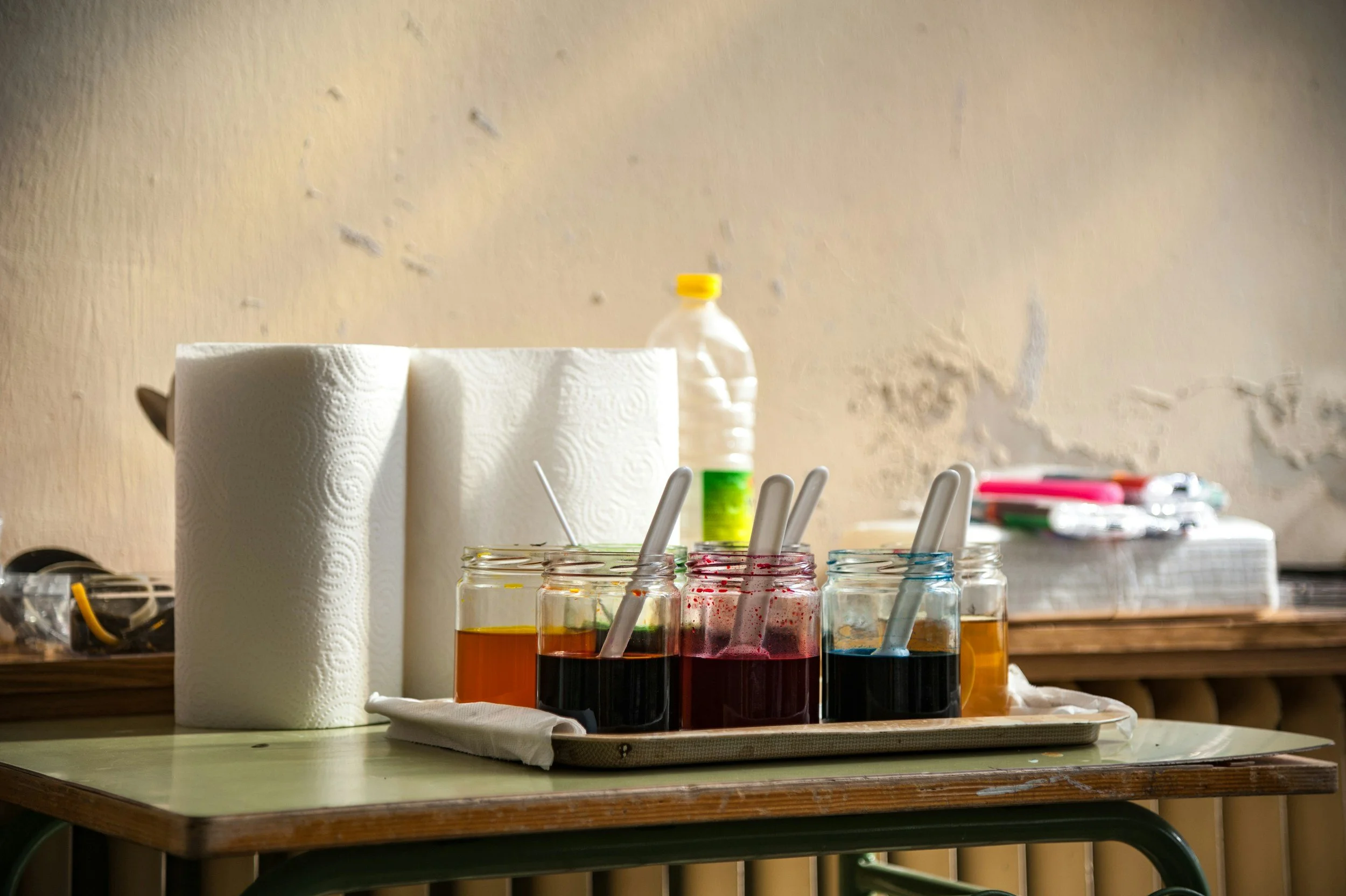
Your kitchen is a science lab! Students conduct safe, exciting experiments every session using everyday household ingredients — exploring chemical reactions, states of matter, acids, bases, and the science of cooking.
What is chemistry? → lava experiment
The scientific method → color lab
Chemical reactions intro → volcano
States of matter → root beer float + temperature balloon demo
Non-Newtonian fluids → make Oobleck
Physical changes → churn butter from heavy cream
Acids & bases → create an acids & bases poster
pH indicators → extract indicator
Testing liquids → test 6 household liquids with pH indicator
What is a chemical reaction? → chemical reactions poster
Hydrogen peroxide reactions → experiment
Polymers → make plastic
Chemistry in cooking → yeast + sugar bread rising experiment
Phase changes → experiment
Student-designed experiment → original experiment showcase
Entrepreneurship
Entrepreneurship / Start a Business Grades 2–6 · 6 Weeks · Online
What if your child's big idea became a real business? Students go from identifying a problem to building a brand, pricing a product, and pitching their idea live in a Shark Tank-style finale.
What is a business? → goods vs. services
Kid entrepreneurs → case study
Find a problem → brainstorm real neighborhood problems
Choose your idea → product or service decision
Define your customer → target audience profile
Market research → research competitors
What is a brand? → brand personality activity
Logo design → design your business name & logo
Mission statement → write "We help ___ by ___"
Revenue & profit → how businesses make money
Pricing → price your product using a real formula
Budgeting → create a simple business budget
Advertising → how businesses get customers
Marketing → design a flyer or social media post
Shark Tank pitch → live business pitch to family
Creative Writing
Creative Writing & Publishing Grades 2–6 · 6 Weeks · Online
Every child has a story to tell — this class helps them tell it beautifully. Students write, illustrate, and publish their very own original book from start to finish, then read it aloud at the Author Showcase.
Story structure → analyze a favorite picture book
Story brainstorm → genre + "what if?" prompt
Character building → create your main character
World building → draw and describe your story world
Story outline → map out beginning, middle & end
Write the beginning → hook your reader
Write the middle → rising action + the big problem
Write the ending → resolve the conflict
Read aloud & revise → identify what sounds clunky
Word choice → replace boring words with vivid ones
Peer editing → give and receive feedback with tutor
Plan illustrations → which scenes need pictures?
Illustrate → create hand-drawn or digital illustrations
Cover design → design title, author name & cover art
Author Showcase → bind book + read aloud to family

Digital Media & Content Creation
Digital Media & Content Creation Grades 2–8 · 6 Weeks · Online
Lights, camera, create! Students choose their format — podcast, YouTube-style video, or stop-motion animation — and produce a real polished piece they can share with family and friends.
Explore all 3 formats → watch examples of podcast, video & stop-motion
What makes great content? → choose your format & concept
Story structure for media → write your script or storyboard
Voice & presence → practice reading aloud or planning shots
Recording setup → set up lighting, sound & background
First recording/shoot → full run-through draft
Review & critique → watch back + re-record one section
Editing → cut, add music, transitions & title cards
Intro & outro → add opening and closing to your piece
Peer screening → share draft, get specific feedback
Branding → design channel name, logo & tagline
Polish & finalize → apply all feedback
Final review → run-through with tutor
Peer celebration → screen each other's finished pieces
Premiere Day → present final production to family


Coding
Coding / Scratch & Game Design Grades 3–8 · 6 Weeks · Online
Your child won't just play video games — they'll build one! Starting with Scratch and progressing to Python basics, students learn real coding fundamentals while designing and building their own original game.
How do computers think? → unplug coding activity
Intro to Scratch → make a character move and talk
First Scratch project → build an animation
Events & sequences → when I click the flag... activity
Loops → make your character dance
Conditionals → build a simple quiz game
What makes a game fun? → analyze favorite games
Game design on paper → sketch character, setting & rules
Build in Scratch → set up stage & main character
Movement controls → add arrow key controls
Score & game over → add a tracker and end condition
Polish → add sounds, backgrounds & start screen
Python basics (Gr. 4–6) → print statements, variables & math
Python loops (Gr. 4–6) → build a number guessing game
Game Showcase → record a trailer + demo live to family


AI for Kids
AI for KidsGrades 3–8 · 6 Weeks · Online
AI is everywhere — now your child can understand how it works and build their own. Students use real AI tools to train models, create AI art, and design original projects using the same tools professionals use.
AI is everywhere → Code.org AI for Oceans activity
Rule-based vs. learning programs → fun sorting activity
What is machine learning? → train AI: thumbs up vs. thumbs down
Image recognition → train AI to identify 3 household objects
Why AI makes mistakes → experiment with small vs. large training sets
AI bias & ethics → should AI make important decisions? debate
AI-generated art → explore how AI creates images
Create AI art → describe a scene and see what AI draws
Scratch ML → build a game controlled by voice or movement
AI project brainstorm → what problem would your AI solve?
Plan your AI project → what will it recognize, create, or do?
Build your project → start building with Teachable Machine or Scratch ML
Test & refine → make sure it works reliably
Prepare presentation → what it does, how you trained it, what went wrong
AI Showcase → live demo + AI Designer's Note presented to family

Get to know us!